

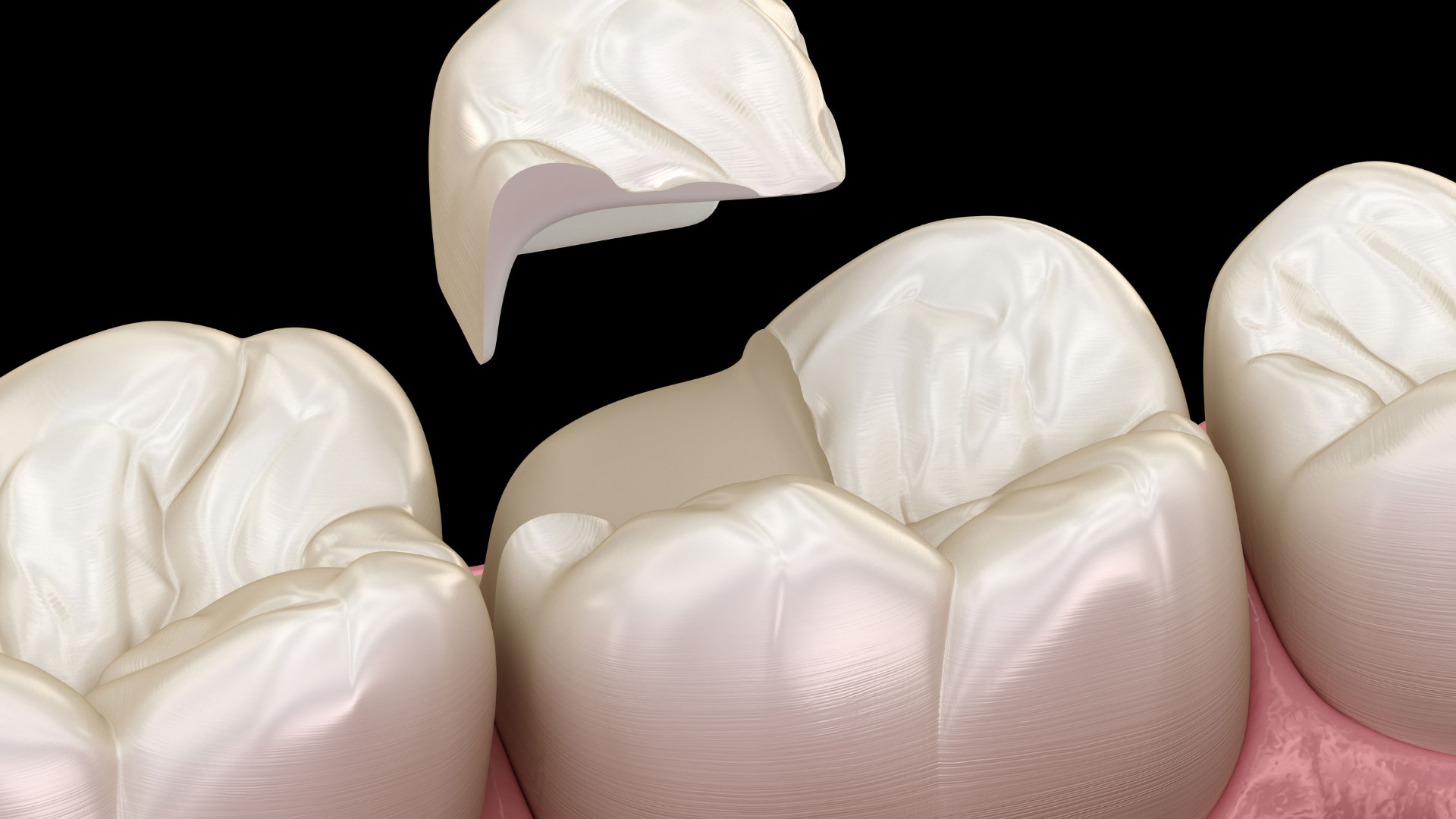
Dental treatment is intended to restore or protect a tooth, but older dental work can sometimes develop problems over time. A filling may become worn, a crown can loosen, or a restoration may develop a gap along its edge. These changes can create opportunities for bacteria to collect and increase the risk of infection.
This does not mean that previous dental work is inherently problematic. Most restorations are designed to provide long-term service. The concern arises when a restoration becomes damaged, no longer fits properly, or allows bacteria to reach areas that are difficult to clean.
How Gaps Around Restorations Can Matter
A compromised filling or crown may create a small space between the restoration and the natural tooth. Food particles and plaque can collect in these areas, particularly when they are difficult to reach with a toothbrush or floss.
Over time, bacterial activity can contribute to new decay beneath or around the restoration. If the damage reaches the inner portion of the tooth, inflammation or infection may develop.
Patients may not notice a problem immediately. Some issues are found during routine examinations before significant symptoms appear.
Signs That Previous Dental Work May Need Attention
Changes in sensitivity can be one indication that an older restoration needs to be evaluated. Pain when chewing, sensitivity to hot or cold, swelling around a tooth, or a restoration that feels loose should also be discussed with a dentist.
A crown or filling that has fractured or fallen out deserves prompt attention. Leaving the tooth exposed can make it more vulnerable to additional damage and bacterial contamination.
What Happens if Infection Develops?
If bacteria reach the pulp inside a tooth, the tissue can become inflamed or infected. Depending on the extent of the problem, treatment may involve replacing the restoration, repairing the tooth, or performing root canal therapy.
In more advanced situations, where a tooth can no longer be predictably restored, extraction may need to be considered. This is one reason early evaluation is so important.
Preventing Problems With Existing Dental Work
Patients with fillings, crowns, bridges, or other restorations should continue normal brushing and flossing rather than treating restored teeth as maintenance-free. The natural tooth surrounding a restoration remains susceptible to decay.
Routine dental visits also provide an opportunity to inspect older work for signs of wear, leakage, fractures, or changes in the surrounding gums.
When to Seek an Evaluation
A restoration that has changed, feels unusual, or causes new symptoms should not be ignored. Prompt evaluation does not necessarily mean the restoration needs to be replaced. In some cases, monitoring or a relatively simple repair may be appropriate.
Taking care of previous dental work and addressing changes early can reduce the chance of infection and help preserve the natural tooth for as long as possible.