

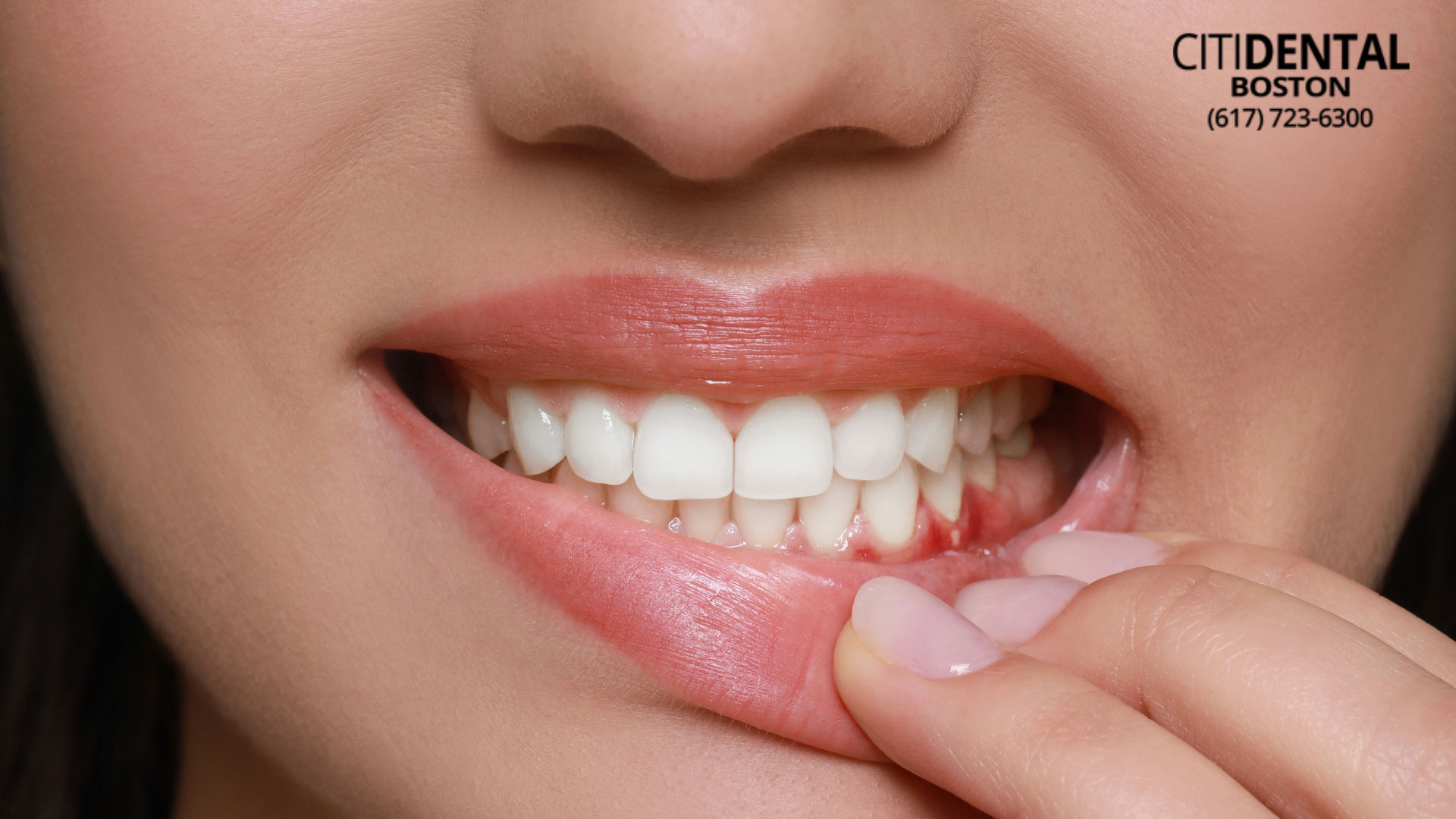
Seeing blood when brushing or flossing can be concerning, but it does not necessarily mean a tooth needs to be repaired. In many cases, bleeding comes from irritated or inflamed gum tissue rather than damage to the tooth itself. The important step is determining why the gums are bleeding and whether another dental problem is contributing to it.
Healthy gums generally should not bleed during normal brushing or flossing. When bleeding occurs regularly, it is worth discussing with a dentist rather than simply avoiding the area.
Gum Disease Is a Common Cause
Plaque buildup around the teeth and gumline is one of the most common reasons gums become inflamed. When plaque is not removed effectively, bacteria can irritate the tissue, causing redness, swelling, tenderness, and bleeding. This early stage of gum disease is known as gingivitis.
At this point, tooth repair is usually not necessary. Improving brushing and flossing, along with professional cleaning, may be enough to bring the gums back to a healthier condition.
If gum inflammation continues for an extended period, however, it can progress and affect the tissues and bone supporting the teeth. This may eventually contribute to loose teeth or other problems requiring more extensive treatment.
When a Tooth May Be Involved
Although bleeding gums do not automatically indicate tooth damage, there are situations where a problem with an individual tooth can contribute to irritation. A cavity near the gumline, a fractured tooth, or a defective filling or crown can create areas where bacteria and food particles collect.
If bleeding consistently occurs around one particular tooth, the dentist may examine that tooth more closely. Depending on the findings, treatment could include a filling, crown, replacement restoration, or another procedure.
Other Reasons Gums May Bleed
Certain medications, hormonal changes, smoking, changes in oral hygiene, and some health conditions can also affect gum tissue. Patients who have recently changed medications or noticed bleeding without an obvious dental cause should mention these details during their appointment.
It is also possible to irritate healthy gums by brushing too aggressively or using incorrect flossing techniques. A soft-bristled toothbrush and gentle pressure are generally preferable.
When to Schedule an Appointment
Occasional bleeding may improve after better home care, but persistent or heavy bleeding should be evaluated. A dentist can determine whether the issue involves gum inflammation, tooth decay, an existing restoration, or another concern.
The good news is that many causes of bleeding gums can be addressed before they lead to significant problems. Identifying the source early helps protect both the gums and the teeth and can prevent unnecessary restorative treatment.