

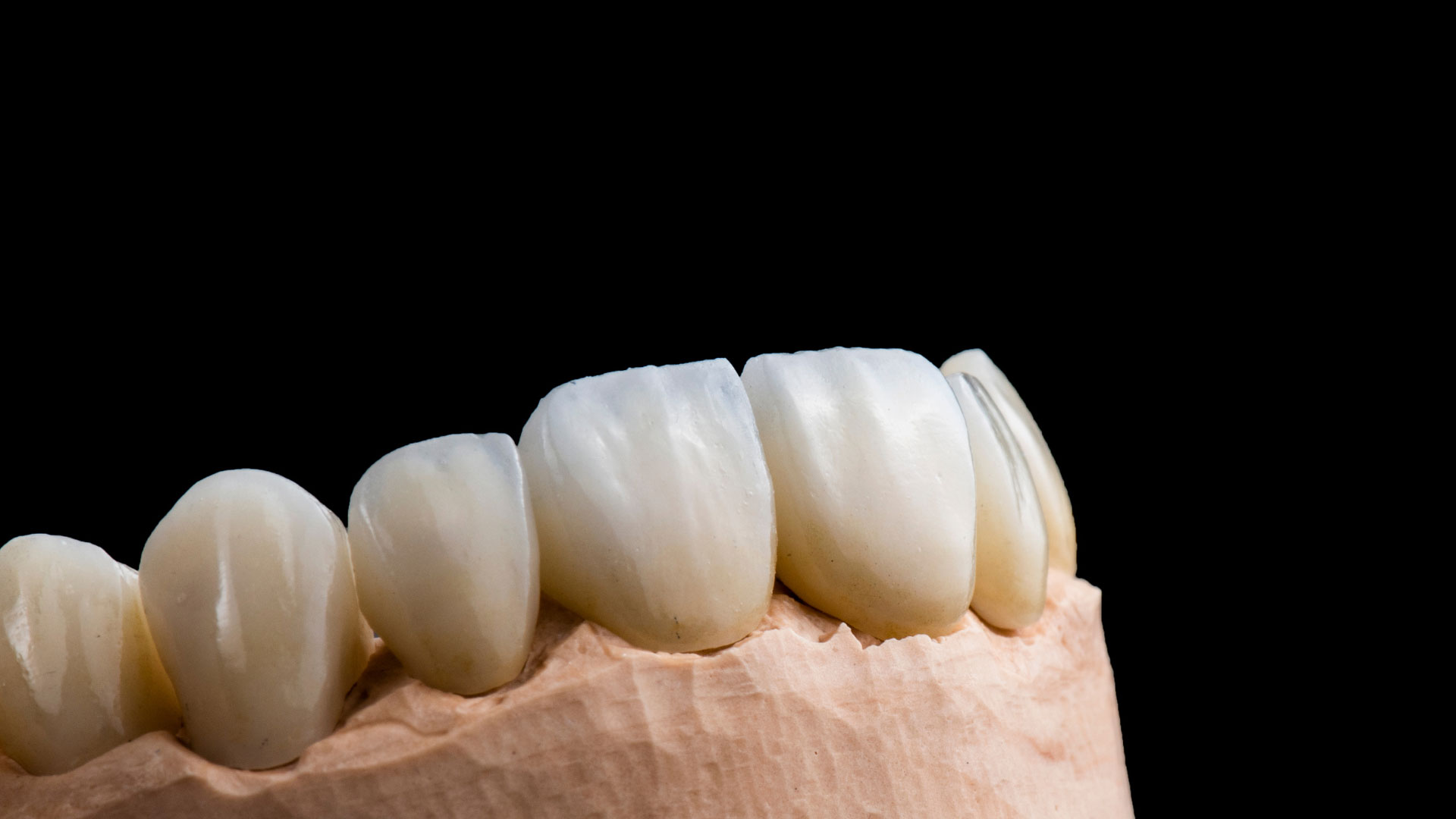
Patients may occasionally see faint vertical lines on the front surface of a tooth and immediately worry that the tooth is cracked. In many cases, these are craze lines, which are small, superficial lines that affect only the outer enamel. They are very common and often develop gradually as teeth experience years of normal biting forces, temperature changes, and daily use.
Craze lines are different from structural cracks that extend deeper into the tooth. While they may be noticeable in certain lighting or after teeth whitening, they often do not require individual treatment.
Why Craze Lines Develop
Enamel is incredibly strong, but it is not immune to wear over time. Normal chewing, grinding or clenching, minor trauma, and even aging can contribute to the formation of craze lines. People who frequently chew ice or other hard foods may also be more likely to notice them.
In many cases, craze lines are simply a cosmetic concern rather than a sign of compromised tooth health.
When Should You Be Concerned?
The important question is whether the tooth is creating additional symptoms. If the tooth feels completely normal and the line has not changed in appearance, observation may be all that is needed.
However, if the tooth becomes sensitive when biting down, reacts strongly to hot or cold temperatures, or causes intermittent pain, a deeper crack may be present. Those symptoms warrant a thorough dental evaluation because structural cracks can worsen over time if left untreated.
Changes in the appearance of the tooth should also be evaluated. A line that darkens or becomes more noticeable may indicate staining within the enamel or progression of the crack.
How Dentists Evaluate Suspected Cracks
Diagnosing cracked teeth often involves more than simply looking at the tooth. We evaluate symptoms, examine the tooth under magnification, and sometimes perform bite tests to determine whether a crack extends beyond the enamel.
Radiographs may also help identify related problems, although very fine cracks are not always visible on X-rays.
Treatment Depends on the Diagnosis
Each system presents unique maintenance considerations. Invisalign allows patients to brush and floss normally after removing the aligners. This often makes oral hygiene easier.
Braces require more attention when cleaning around brackets and wires. However, patients do not have to worry about losing or damaging removable aligners.
Monitoring Your Smile
The discussion should never be framed as braces versus Invisalign in a universal sense. Instead, it should focus on which system best addresses the patient’s clinical needs, lifestyle, and treatment goals.
In many cases, Invisalign is an excellent option. In others, traditional braces may provide greater efficiency and control. The most important factor is a thorough orthodontic evaluation and a treatment plan tailored to the individual patient.