

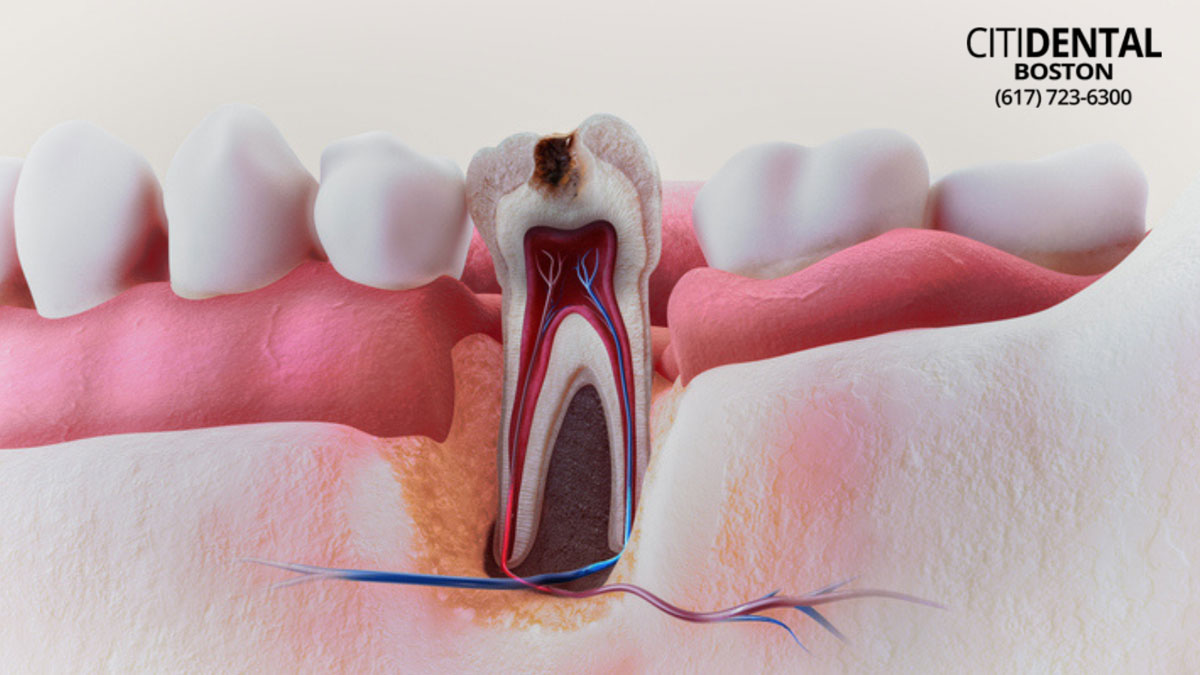
Root canal therapy is a common dental procedure designed to save a tooth that has become infected or severely damaged. When decay or trauma reaches the inner pulp of the tooth, bacteria can cause infection and inflammation. A root canal removes the infected tissue, cleans and shapes the canal, and seals it to prevent further damage.
Several Systems to Look Out For
Persistent tooth pain, especially when chewing or applying pressure, is a common warning sign. Increased sensitivity to hot or cold foods or beverages can also suggest pulp damage. Swelling, tenderness in the surrounding gums, and discoloration of the tooth may be additional indicators.
Causes Leading to Root Canal Therapy
The most frequent cause of pulp infection is untreated tooth decay. Deep cavities allow bacteria to reach the pulp, causing inflammation and pain. Trauma to a tooth, such as a fracture or chip, can also damage the pulp and lead to infection. In some cases, repeated dental procedures on a tooth can increase the risk of pulp irritation, ultimately requiring root canal therapy.
The Procedure
Root canal treatment typically begins with local anesthesia to ensure patient comfort. The dentist creates a small opening in the tooth to access the pulp. Infected tissue is carefully removed, and the canals are cleaned and shaped. The canals are then filled and sealed with a biocompatible material. In addition, a crown or filling is placed to restore the tooth’s strength and function.
Benefits of Early Intervention
Addressing pulp infection early can prevent tooth loss and more extensive dental work. Root canals are highly successful when performed promptly, often allowing patients to retain their natural teeth for years. Early intervention also reduces the risk of infection spreading to surrounding teeth or bone.
Aftercare and Recovery
Recovery from a root canal is generally straightforward. Mild discomfort or sensitivity may occur for a few days, and over-the-counter pain relievers are typically sufficient. Patients should maintain regular oral hygiene practices and attend follow-up visits to ensure the tooth remains healthy.
Consult Your Boston Dentist
Any persistent pain, swelling, or unusual sensitivity should prompt a dental consultation. Early evaluation by a professional allows for accurate diagnosis and timely treatment. By addressing problems promptly, patients can protect their oral health and maintain a functional, healthy smile.