

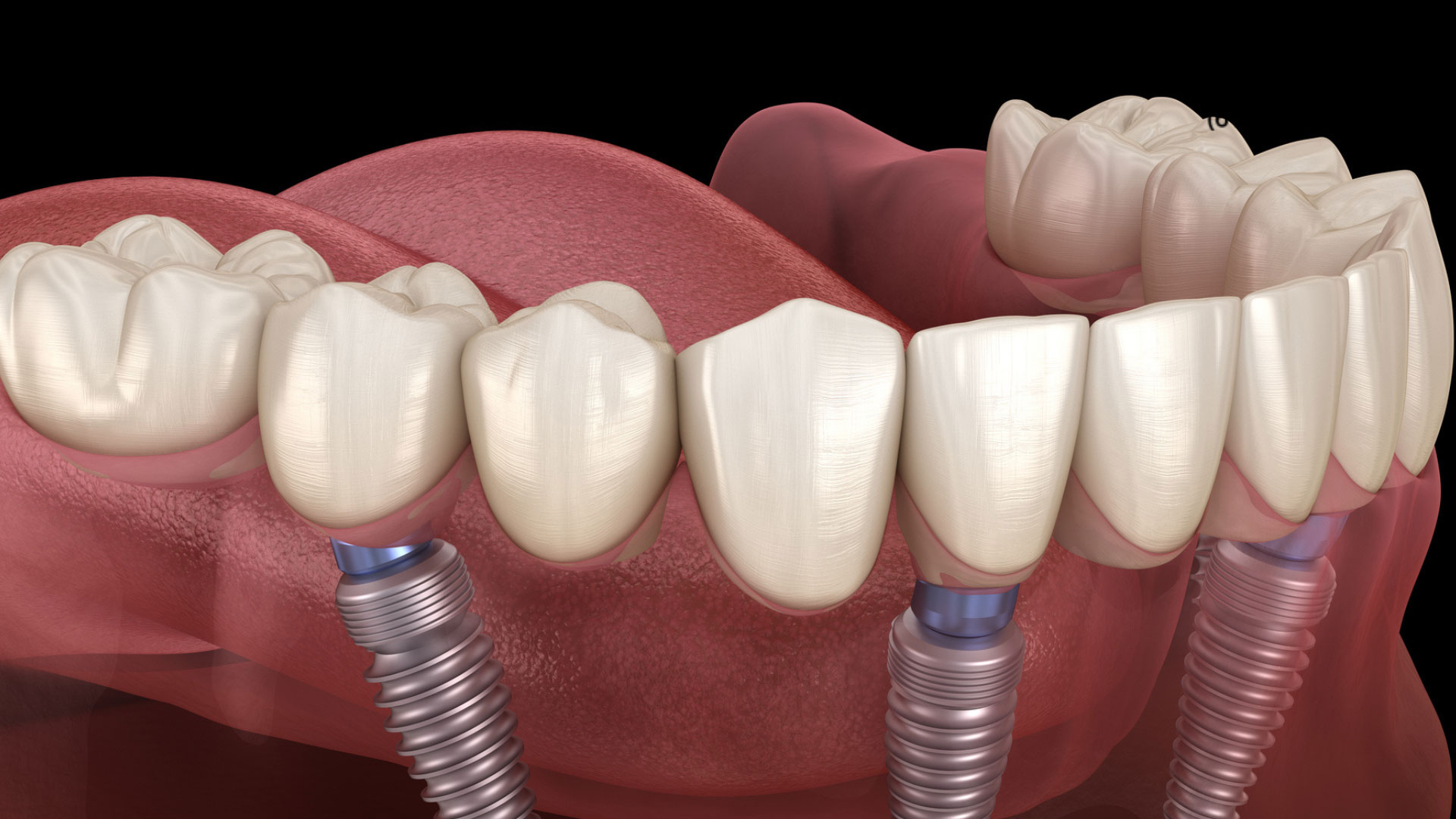
Dental implants are designed to replicate the function and appearance of natural teeth, but structurally they are quite different. A natural tooth is connected to the jawbone by the periodontal ligament, which acts as a cushion and provides sensory feedback during chewing. A dental implant, on the other hand, is a titanium post that integrates directly with the bone through a process known as osseointegration.
Because implants fuse directly to bone, they do not have the same microscopic movement or sensory response as natural teeth. Patients often describe implants as feeling very stable, which makes sense given how firmly they are anchored within the jaw.
The Role of the Periodontal Ligament
One of the more interesting differences involves bite perception. Natural teeth can sense pressure because of the nerve fibers within the periodontal ligament. This helps the body detect force and adjust chewing patterns accordingly. Implants do not contain this same ligament structure, so they respond differently under pressure.
Clinically, this means occlusion becomes especially important during implant planning. A poorly distributed bite force on an implant can place excessive stress on the restoration or surrounding bone over time. Proper design and follow up care help minimize those risks.
Resistance to Decay but Not Disease
Patients are often surprised to learn that implants cannot develop cavities, yet they still require diligent maintenance. Since there is no natural enamel or dentin, decay is not the concern. However, the surrounding gum and bone tissue remain vulnerable to inflammation and infection.
Peri implant mucositis and peri implantitis are conditions we monitor closely. In many ways, they resemble gum disease around natural teeth. Plaque buildup around an implant can lead to tissue inflammation and bone loss if oral hygiene is neglected.
Aesthetic and Functional Differences
From an aesthetic perspective, modern implant restorations are highly lifelike. Advances in ceramic materials and digital planning have made it possible to achieve excellent cosmetic integration. Still, achieving a natural appearance requires careful management of the surrounding gum tissue and bone contours.
Functionally, implants restore chewing efficiency very effectively, especially compared to removable appliances. Many patients regain confidence in eating and speaking once treatment is complete.
Long Term Maintenance Matters
While implants are highly durable, they are not maintenance free. Patients still need routine professional cleanings and regular evaluations. Monitoring the surrounding bone levels and gum health is critical to long term success.
The conversation with patients should focus on understanding that implants are replacements for missing teeth, not identical copies of natural teeth. They function differently biologically, even though they can look and feel remarkably natural in daily life.
A Reliable Restorative Solution
When treatment planning is done carefully and patients maintain good oral hygiene, implants can provide predictable and lasting outcomes. Their ability to restore function, preserve bone, and support aesthetics has made them one of the most valuable restorative options in modern dentistry.