

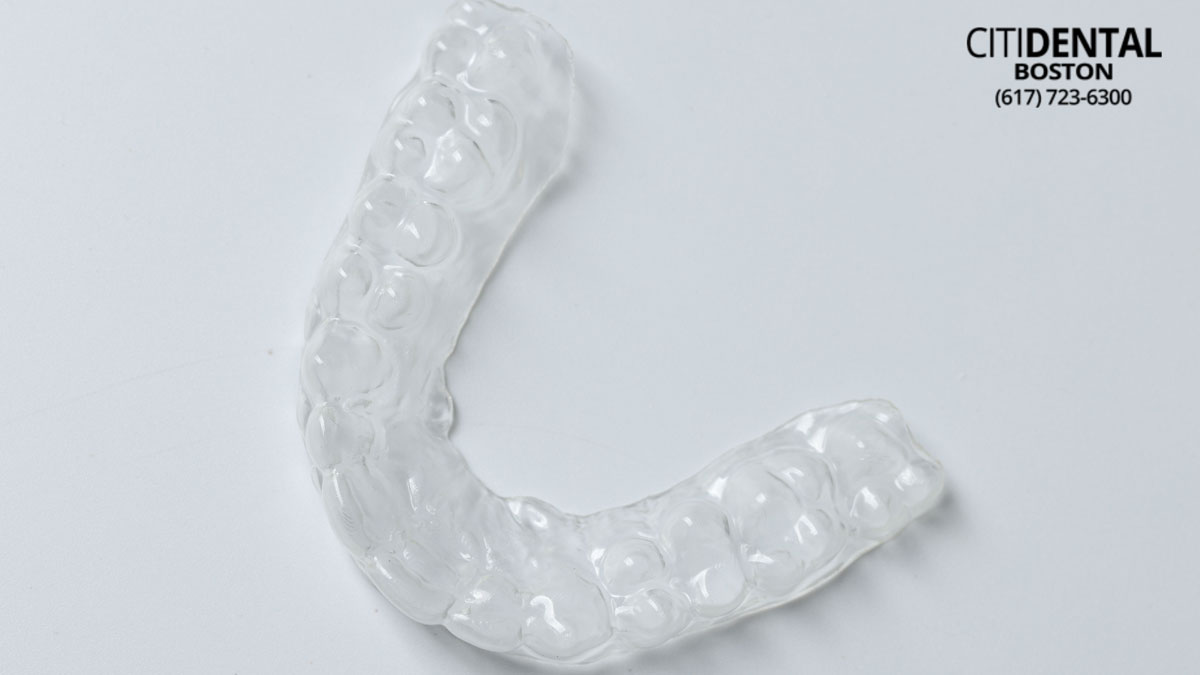
Invisalign works best when patients treat their aligners as carefully as they would a medical device, because that is essentially what they are. While the trays are durable, they are not indestructible. A little guidance on maintenance goes a long way in preventing delays and unnecessary replacements.
Limit Heat Exposure
One of the most common issues we see is warping from heat exposure. Patients sometimes rinse their aligners in hot water without realizing that elevated temperatures can distort the plastic. Even minor warping can affect how the trays fit and how efficiently they move teeth. Advising patients to use lukewarm or cool water only is a simple but important point.
Manage Your Cleaning Habits
Cleaning habits also matter. Toothpaste may seem like the obvious choice, but many formulations are abrasive and can scratch the surface of the aligners. Those micro scratches make the trays appear cloudy and can trap bacteria more easily. A gentle, clear antibacterial soap or Invisalign cleaning crystals are typically better options. The trays should be brushed gently and rinsed thoroughly before reinsertion.
Have Good Storage Habits
Aligners wrapped in napkins during meals frequently end up discarded by accident. Encouraging patients to carry their protective case consistently reduces that risk. It also prevents exposure to bacteria and physical damage when trays are left on countertops or in pockets.
Compliance remains central to keeping aligners in good condition. Wearing them for the recommended twenty to twenty two hours per day not only ensures proper tooth movement but also reduces the likelihood of misplacing them. Frequent removal beyond meal times increases the chances of bending, cracking, or losing a tray.
Patients who grind their teeth may occasionally notice minor wear. While Invisalign material is designed to withstand normal forces, significant bruxism should be monitored. In some cases, we may need to assess whether additional protection is necessary once treatment is complete.
Regular follow up visits allow us to evaluate the condition of the trays and confirm they are fitting as intended. If an aligner cracks or feels unusually tight or loose, early communication helps us adjust the plan without compromising progress.
When patients understand that aligner care directly influences treatment outcomes, they are usually motivated to be diligent. Clear instructions, practical tips, and ongoing reinforcement help ensure Invisalign stays on track and delivers predictable, well aligned results.